
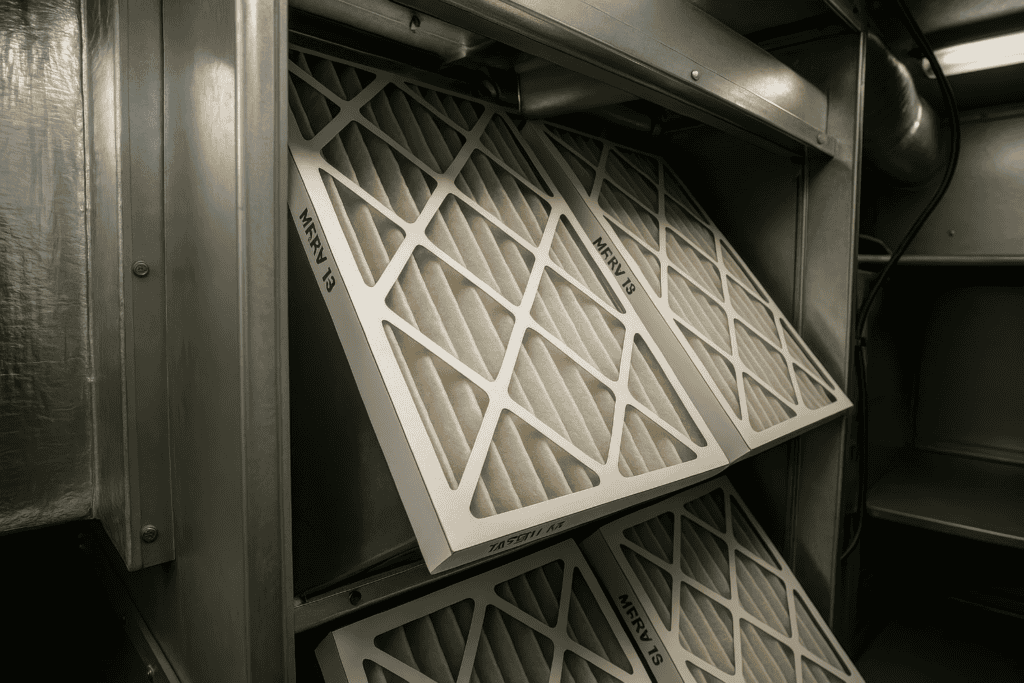
Most standard manufacturer guidelines suggest inspecting and swapping filters every 30 to 90 days. Knowing exactly how often you should change your furnace filter depends on system usage, household size, and filter thickness. Running a heating system with a blocked intake puts unnecessary strain on critical mechanical components while driving up monthly utility bills. This guide breaks down standard replacement intervals, explains which factors shorten filter life, and outlines practical warning signs that indicate your heating equipment needs attention.
Recommended Replacement Timelines by Filter Type
Filter design and physical dimensions directly dictate how much particulate matter a media pleat can hold before airflow drops. Choosing the correct furnace filter replacement schedule starts with identifying the exact thickness of the filter installed in your return drop or blower cabinet.
Standard 1-Inch to 2-Inch Filters
Basic fiberglass or pleated filters measuring one to two inches thick require replacement every 30 to 90 days. Basic fiberglass models provide minimal airflow resistance but capture only large dust particles, meaning they load up quickly and need monthly evaluation. Pleated varieties trap smaller contaminants such as pet dander and pollen, which causes them to reach full capacity faster during severe winter weather.
Deep-Pleated Media Filters
Thicker media cabinets using four-inch or five-inch filters offer significantly more surface area for capturing airborne particles without restricting system airflow. These high-capacity filters generally operate effectively for six to twelve months under normal operating conditions. Regular seasonal inspections remain essential, especially if your heating equipment runs continuously throughout freezing weather across the Hudson Valley.
Key Factors That Accelerate Filter Clogging
Fixed calendar schedules serve as a baseline, but daily living habits within your home can cause media to fill up well before the manufacturer’s suggested replacement date. Paying close attention to these household variables helps determine when to replace your furnace filter ahead of schedule.
Pets and Fur Shedding
Homes with dogs or cats introduce constant layers of pet hair and dried dander into the return air stream. Fur collects on the outer pleats rapidly, blocking air channels and forcing the blower motor to pull against elevated static pressure. Inspecting the filter every 30 days is standard practice for pet owners.
Living Conditions and Indoor Air Quality
Renovation dust, wood smoke from fireplaces, and nearby road traffic introduce fine particulates that settle straight into your ductwork. When multiple family members manage seasonal allergies, prioritizing overall indoor air quality requires using higher-efficiency media that captures smaller spores and dust mites. These denser pleats trap more airborne pollutants and consequently require more frequent swaps.
Signs Your Filter Needs Immediate Replacement
Waiting for a scheduled calendar reminder can leave your equipment running choked for weeks. Technicians regularly uncover several visible symptoms of a dirty air filter during routine heating maintenance and repair calls.
Reduced Airflow and Uneven Heat
A restricted filter chokes the return side of the system, sharply reducing the volume of warm air pushed through supply vents. If registers feel weak or upstairs rooms struggle to stay warm, restricted airflow is often the root cause. Removing the filter and holding it up to a bright flashlight provides an immediate check: if light cannot pass through the pleats, air cannot pass efficiently either.
Rising Utility Bills and Short Cycling
Keeping a clean furnace filter in place prevents restricted airflow that forces heating systems to run harder and waste energy. When heat builds up inside the furnace cabinet because air cannot move across the heat exchanger, the high-limit switch automatically shuts burners down to prevent overheating. That rapid cycling on and off damages blower motors, cracks heat exchangers, and inflates heating costs.
Understanding how often you should change your furnace filter protects your mechanical equipment from premature wear and ensures reliable heating all winter long. Checking your filter every month and replacing it as soon as dirt covers the media preserves strong airflow, maintains healthy indoor air, and prevents unexpected furnace breakdowns.
Still Having Airflow Problems? Call Jones Services
If changing your filter fails to restore proper airflow, or if your furnace continues to shut down unexpectedly, Jones Services is ready to help. Our experienced technicians provide thorough diagnostic checks and heating maintenance across the region. Contact Jones Services today to schedule your service visit today.