
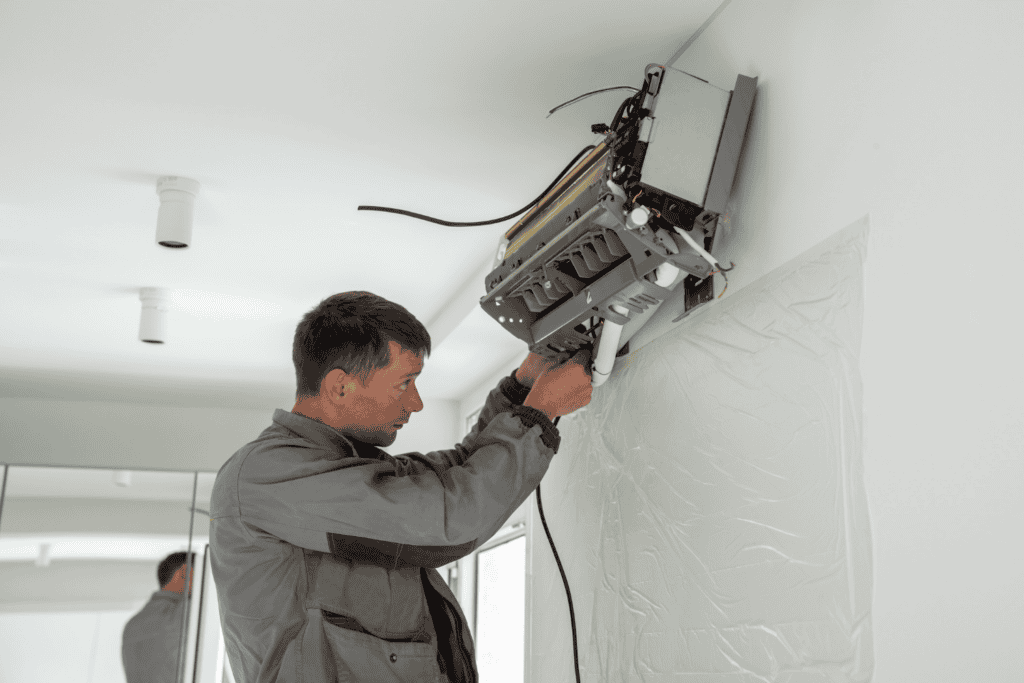
A multi-zone ductless mini-split provides dependable winter heating by connecting a single outdoor heat pump to multiple indoor air handlers throughout a house. Instead of burning fuel or pushing warm air through leaky sheet-metal ductwork, these systems move existing thermal energy from outdoor air straight into specific rooms. Homeowners across the Hudson Valley often rely on them to solve uneven heating between floors, supplement older boilers, or serve as the primary heat source all winter long.
In this guide, you will learn how multi-zone equipment handles freezing northern temperatures, why room-by-room zoning reduces electric waste, and how proper operational habits protect performance during the coldest months.
How Cold-Climate Ductless Systems Produce Winter Heat
Air-source heat pumps function by extracting thermal energy from outdoor ambient air and transferring that heat indoors through pressurized refrigerant lines. Even when temperatures drop below freezing, outdoor air still contains thermal energy that modern refrigerant can absorb. In a multi-zone configuration, one outdoor compressor delivers refrigerant to several indoor units through small copper line sets, giving you precise heating control in every living space.
Inverter Compressors and Heat Extraction
Older heating equipment turns fully on and then shuts off completely once the thermostat satisfies the call for heat. Modern heat pumps use variable-speed inverter compressors that modulate their motor speed based on exact heating demand. By running steadily at lower speeds rather than cycling on and off, the compressor uses less electricity while maintaining consistent indoor warmth. Specially designed cold-climate heat pumps maintain their heating output down to sub-zero temperatures, making them dependable systems for regional winters.
Built-In Defrost Cycles and Base Pan Heaters
During cold, damp conditions, frost naturally accumulates on the outdoor coils as moisture freezes on the metal fins. The system automatically enters a brief defrost cycle to melt away this accumulation, temporarily reversing refrigerant flow to warm the exterior coil. Quality outdoor units installed for northern climates incorporate factory-installed base pan heaters, which prevent melted condensate from refreezing into a solid block of ice inside the equipment cabinet.
Efficiency Advantages of Multi-Zone Heating
Choosing a multi-zone ductless mini-split delivers substantial gains in seasonal energy efficiency compared to central combustion furnaces and traditional electric baseboards. Because heat pumps move warmth rather than creating it through combustion, they deliver multiple units of heat energy for every unit of electrical energy consumed. By transferring warmth rather than generating it directly, ductless mini-split heat pumps consume significantly less energy than standard home electric radiators.
Independent Temperature Zones Prevent Energy Waste
Traditional central systems force homeowners to heat unoccupied rooms just to keep active living spaces warm. A multi-zone setup divides your home into independent temperature zones, each managed by its own dedicated thermostat and wall-mounted, floor-mounted, or ceiling-cassette air handler. You can keep bedrooms cooler during daytime hours while directing heat to the kitchen and living room, preventing unnecessary energy consumption. When a family member prefers a warmer home office, that indoor unit adjusts without overheating the rest of the house.
Eliminating Distribution Losses From Ductwork
Forced-air furnaces rely on extensive networks of supply and return sheet-metal ducts that frequently run through unconditioned attics, basements, or crawl spaces. Ducts often leak heated air through loose joints, unsealed seams, and thin insulation. Installing a ductless heat pump bypasses duct distribution completely by delivering warm air directly into the conditioned room. Eliminating conductive losses through cold walls and attics ensures that every bit of warmth produced enters your living space directly.
Operating Practices to Maximize Winter Comfort and Performance
Getting the best heating performance and longest lifespan from a multi-zone ductless mini-split requires slightly different operating habits than running a standard gas furnace. Mini-split equipment thrives on steady, consistent operation rather than aggressive setback schedules.
The Set-It-and-Forget-It Temperature Strategy
Homeowners accustomed to older central heating often drop their thermostats significantly whenever they leave for work or go to sleep. With inverter-driven systems, deep setbacks force the compressor to work at maximum capacity to recover lost temperature, burning more electricity in the process. Setting your preferred temperature and leaving the controller alone allows the inverter to idle at lower, highly efficient speeds. Keep all indoor units on heating mode during the winter season so the outdoor unit does not receive conflicting operational signals between different zones.
Routine Filter Cleaning and Outdoor Snow Clearance
Ductless indoor air handlers use washable mesh filters that trap airborne dust and lint before air passes over the heat exchanger. Checking and rinsing these filters every few weeks maintains unobstructed airflow, which keeps heating performance high and reduces strain on the blower motor. Outside, inspect the compressor stand after heavy snowfalls to ensure drifting snow or falling roof icicles do not bury the cabinet. Maintaining clear space around the outdoor coil ensures proper air circulation and unobstructed drainage during automated defrost cycles.
Practical Winter Heating for Hudson Valley Homes
Zoned heat pumps give homeowners a reliable, all-electric heating solution capable of managing cold northern winters while keeping electrical consumption under control. By eliminating duct losses, maintaining steady room-by-room temperatures, and utilizing modern inverter compressors, these systems provide reliable warmth across every floor. With routine filter maintenance, clear outdoor airflow, and consistent thermostat settings, you can expect steady comfort and reduced energy waste year after year.
Schedule Your Heating Consultation With Jones Services
If you are planning to upgrade your home heating or want to resolve persistent cold spots before temperatures drop, the licensed professionals at Jones Services are ready to help. Serving homeowners across the Hudson Valley since 1986, our experienced team provides thorough system evaluations, honest recommendations, and upfront pricing on every job. We are open 7 days a week to evaluate your property, calculate heating loads, and design a customized mini-split layout tailored to your floor plan.
Explore our full range of heating solutions online, or connect with our team directly. Call us to schedule an in-home heating consultation today.