
Preparing your home for freezing temperatures requires more than pulling extra blankets out of storage. Completing a practical winter HVAC checklist before first frost ensures your heating equipment starts reliably, runs efficiently, and keeps indoor temperatures steady during the coldest months in the Hudson Valley. Taking care of standard maintenance items in early autumn allows you to catch minor mechanical faults before sudden freezing weather strains your equipment. Below, we break down essential checks for your indoor setup, outdoor equipment, and safety controls.
Inspecting Indoor Equipment and Air Circulation
Indoor heating components require regular attention to maintain proper airflow and prevent mechanical overheating when outdoor temperatures plunge.
Replace the Air Filter
A clogged air filter forces blowers to work harder than necessary, which restricts warm airflow and raises energy consumption across the house. Check the filter every month throughout the heating season, and replace standard fiberglass or pleated styles as soon as surface dust accumulates. Maintaining clean filtration protects sensitive internal electrical parts from dust buildup while supporting consistent air movement.
Clear Vents and Registers
Walk through living spaces to ensure furniture, rugs, and drapes do not obstruct return grilles or supply registers. Blocking airflow creates pressure imbalances throughout the duct network, causing specific rooms to stay chilly while others overheat. Vacuuming debris from vent grates prevents loose dust from circulating once the system begins running continuously.
Test Heating Controls and Thermostat Operation
Switch your thermostat from cooling to heating mode before outdoor temperatures dip near freezing. Set the target temperature a few degrees above the current room reading to verify that the burners or heating elements activate promptly. If the equipment fails to cycle on, check the batteries in the control unit and inspect the corresponding switches inside your circuit breaker panel.
Safeguarding Exterior Systems and Fuel Supplies
Outdoor equipment faces harsh exposure once ice and sleet arrive, making seasonal exterior care an important component of any winter HVAC checklist before first frost.
Clear Around the Outdoor Unit
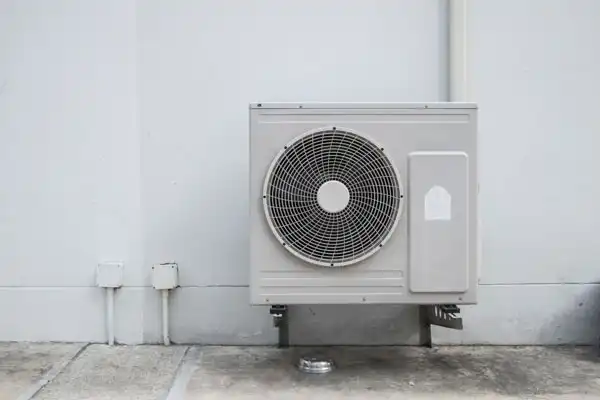
If your home relies on a heat pump for autumn and winter warmth, maintain at least two feet of clearance around the perimeter. Remove fallen leaves, overgrown brush, and dead branches that can block the coil or trap moisture against the cabinet. Clear pathways around the cabinet also make routine visual inspections straightforward during deep snowfalls.
Protect A/C Condensers
For standalone central air conditioning setups, clear organic debris from the top grille to prevent trapped moisture from corroding delicate coil fins. You can place a flat breathable cover over the top surface to keep falling leaves and icicles out of the fan housing. Avoid wrapping the entire cabinet in solid plastic, as trapped condensation encourages rust and creates an inviting winter shelter for rodents.
Inspect Exhaust Flues and Fuel Connections
High-efficiency appliances vent exhaust gases through dedicated PVC or metal pipes that exit through exterior walls or the roof. Check these outdoor exhaust and intake terminations to confirm that birds, insects, or autumn foliage have not built nests inside. For fuel-burning furnaces or boilers, ensure fuel lines show no signs of corrosion, wear, or physical damage.
Addressing Home Safety and Professional Care
Cold weather brings increased reliance on closed-door heating, making indoor safety and system health essential priorities.
Test Life Safety Alarms
Every property utilizing combustion appliances must have a reliable carbon monoxide detector installed on each living level and near sleeping quarters. Test these alarms ahead of the heating cycle, replace older backup batteries, and verify that smoke alarms respond correctly. You should also evaluate your indoor air quality assessment options to keep indoor spaces fresh while doors and windows stay closed.
Protect Exposed Household Plumbing
Plumbing lines located in unheated basements, crawl spaces, and exterior walls run a serious risk of freezing when temperatures plummet. Insulate exposed water lines with foam sleeves to reduce the threat of a frozen pipe burst during sudden sub-zero nights. Turn off interior shutoff valves feeding exterior hose bibbs, and drain any remaining water from outside spigots.
Schedule Professional Heating Service
While homeowners can handle filter changes and vent clearance, an experienced contractor should inspect internal electrical connections, test safety limits, and clean burner assemblies. Following a structured winter HVAC checklist before first frost should always include professional heating system care. Routine furnace maintenance identifies cracked heat exchangers, worn belts, or failing sensors long before you encounter a midwinter heating breakdown.
Keeping Your Heating System Reliable All Winter
Taking time to run through seasonal maintenance steps protects your home from unnecessary stress when freezing conditions arrive. Simple actions like swapping out dirty filters, clearing vents, and testing safety alarms set the foundation for reliable, efficient home heating. Pairing these routine owner checks with an inspection from licensed professionals provides peace of mind that your equipment will perform through every winter storm.
Schedule Your Heating Inspection with Jones Services
Ensure your home stays warm and safe before the first freeze arrives. Contact Jones Services today or reach out online to schedule your complete heating maintenance and safety walkthrough with our licensed professionals.