
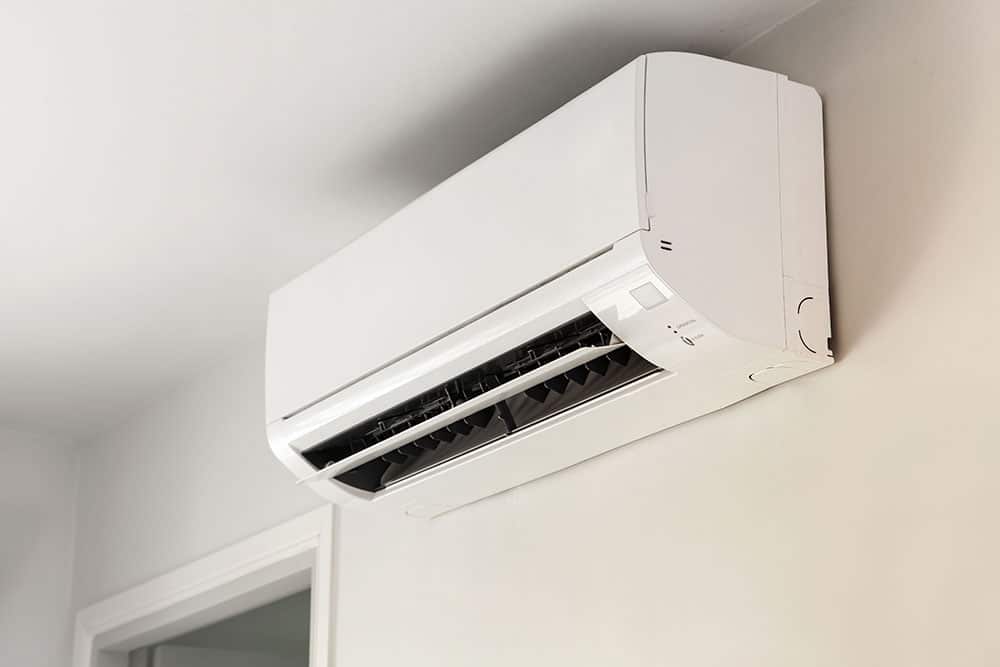
Homeowners evaluating ductless mini-split systems often wonder if these units can truly keep up with freezing winter temperatures. Older heat pump technology struggled once outdoor temperatures fell near freezing, which left many people skeptical about relying on them through the winter months. Modern engineering has changed how these systems perform in cold regions like the Hudson Valley. Today, advanced equipment delivers dependable warmth even on frigid January nights while maintaining remarkable seasonal efficiency. This guide breaks down how ductless technology works during freezing weather, when it makes practical sense for your household, and what to keep in mind before you decide to install one.
Cold-Climate Heat Pump Capabilities
A traditional heat pump moves thermal energy from outdoor air into your living space. Even when outside air feels bitingly cold to human skin, ambient heat is still present in that air. Standard units lose heating efficiency as ambient outdoor temperatures drop below freezing, but a modern cold-climate heat pump uses inverter-driven variable-speed compressors. These compressors adjust motor speeds continuously to match heating demands rather than turning entirely on and off. Ductless mini-split heat pumps transfer heat rather than generate it through combustion, using less energy than standard electric baseboard radiators.
Defrost Cycles and Outdoor Unit Management
When heating your home in subfreezing weather, moisture from outside air naturally collects on the outdoor condenser coil as frost. Modern ductless mini-split systems monitor coil conditions and activate an automated defrost cycle whenever frost builds up. During this cycle, the system temporarily reverses refrigerant flow to warm the outdoor coil, melting accumulated ice before returning to heating mode. Keeping outdoor units mounted above local snow accumulation levels ensures proper airflow and prevents ice from blocking the drainage path during these cycles.
Zoned Temperature Control Throughout the Home
One significant advantage of ductless equipment is zoned temperature control. Rather than forcing a single thermostat setting across an entire house, each indoor air handler operates independently. You can keep bedrooms cooler during daytime hours while directing steady heat to primary living areas. This targeted approach prevents energy waste in empty rooms and eliminates cold spots caused by unbalanced ductwork.
Eliminating Duct Losses
Central heating systems push warm air through extensive sheet metal ductwork that often runs through unconditioned basements, crawlspaces, or attics. Duct leakage and conduction can siphon away a substantial portion of thermal energy before air reaches the register. Ductless units deliver conditioned air straight into the room where the handler is mounted. That direct delivery preserves output and lowers the heating load on the compressor during cold snaps.
Whole-Home Heating vs. Supplemental Heat Source
Determining whether mini-split equipment is right for your home depends on your current setup. In houses without existing ductwork, such as homes warmed by hot-water baseboards, radiators, or electric strip heat, ductless units provide efficient heating along with summer A/C without tearing open finished walls. However, in regions with prolonged subzero stretches, many homeowners keep their existing furnace or boiler as a supplemental heat source for backup during severe winter storms. Pairing systems this way allows the mini-split to handle mild to moderate winter days at high efficiency, reducing overall fuel consumption.
Proper Sizing and Professional Assessment
System performance depends on accurate equipment selection. An undersized unit will run continuously at full output on frigid mornings without satisfying the thermostat, leading to unnecessary wear. An experienced professional HVAC technician evaluates insulation levels, window placement, square footage, and ceiling height through detailed heating load calculations. That careful assessment ensures your equipment is selected specifically to maintain indoor comfort throughout local winter conditions.
The Bottom Line on Ductless Winter Heating
Ductless mini-split systems are a practical, highly efficient heating solution for cold winter weather when equipped with cold-climate inverter technology. They provide responsive room-by-room comfort, cut down on duct-related heat loss, and double as whole-home A/C installation once warm weather returns. If you want to eliminate drafty zones, upgrade an addition, or reduce fossil fuel usage, a properly sized system delivers dependable warmth all winter.
Talk to Jones Services About Ductless Heating
Ready to explore ductless heating for your home? The team at Jones Services has helped homeowners across the Hudson Valley stay comfortable in every season since 1986. Our licensed, experienced professionals provide straightforward walkthrough assessments and upfront pricing on every installation. Contact Jones Services to schedule your home heating consultation today.